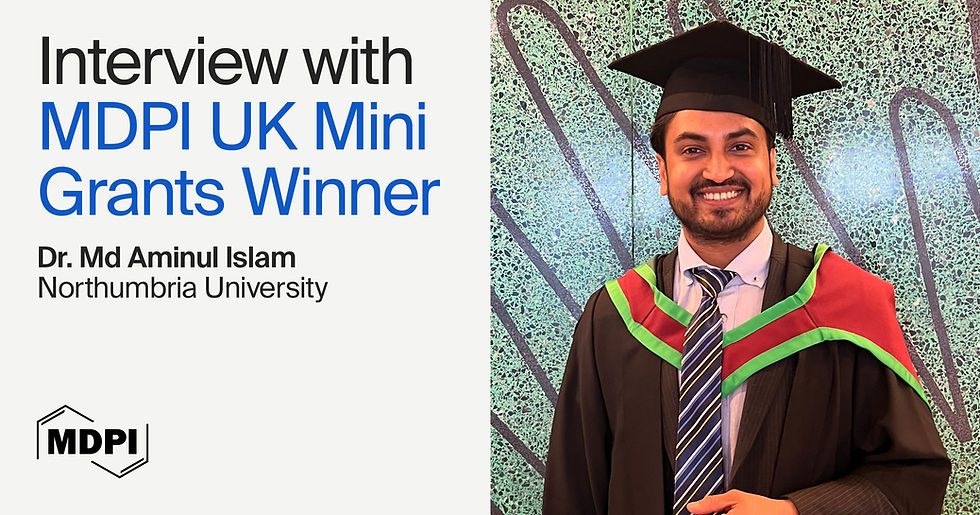
Interview with Mrs Nafiseh Ghasemi: Winner of MDPI UK Mini Grants Scheme: How Thoughtful AI Use Can Enhance Creative Learning and Artistic Expression

MDPI UK actively recognises and supports the achievements of researchers, including through its Mini Grants scheme, which fosters and strengthens the research culture within UK universities and research institutions. We are pleased to announce one of the winners of the Mini Grants scheme, Mrs Nafiseh Ghasemi.
Mrs Nafiseh Ghasemi is a PhD researcher at the University of Salford. Her work explores the intersection of artificial intelligence and art education and examines how AI can enhance creative learning and pedagogical practices.
With a background in art and design, Mrs Ghasemi’s research interests focus on the integration of emerging technologies into artistic disciplines to foster innovation and new ways of thinking.
Mrs Ghasemi’s research aims to bridge the gap between technology and creativity, investigating AI’s role in shaping the future of art education, as well as how AI-driven tools can support artistic expression, critical thinking, and personalised learning experiences.
We spoke to Mrs Nafiseh Ghasemi about her current research interests, and what inspired her to pursue a career within her chosen field, as well as how she will be using the Mini Grant to further support her goals, such as creating purposeful frameworks for creative AI solutions.
Interview with Mrs Nafiseh Ghasemi—Engaging with AI tools, critically and purposefully
Could you briefly introduce yourself and tell us about your current research interests?
I am Nafiseh Ghasemi, a second-year PhD researcher in Art and Design at the University of Salford, based at MediaCityUK. With over ten years of professional experience as a graphic designer, my research sits at the intersection of generative AI and graphic design education.
I am particularly interested in how AI tools are reshaping creative workflows, pedagogical models, and skill development in Higher Education, and what this means for the future of design practice and education.
What does receiving the MDPI UK Mini Grant mean to you, and what will you be using it for?
Receiving this grant is both an honour and a practical opportunity. I will be using the funding to organise a series of cross-disciplinary AI literacy workshops for postgraduate researchers at the University of Salford. The sessions will focus on how to engage with AI tools critically and purposefully — not just technically.
As someone whose research examines AI in creative education, I feel strongly that researchers across all disciplines need a framework for working with these tools thoughtfully, and this grant will help make that happen.
What originally inspired you to pursue a career in research and academia?
My inspiration came from a growing tension I noticed in my own professional practice. As a practising designer, I found myself increasingly curious about the gap between what AI tools promised and what they delivered, and what that gap meant for the next generation of designers. That curiosity eventually became a research question, and that question became a PhD.
I wanted to contribute something meaningful to the conversation about how we teach creativity in an age of intelligent machines.
What have been some of the biggest challenges you have faced as an early-career researcher, and how did you overcome them?
One of the biggest challenges has been navigating the rapid pace of change in my field. AI tools evolve faster than the academic literature can keep up with, which means I have had to develop my own frameworks for evaluating what I see rather than simply applying existing ones.
I have also found the transition from practitioner to researcher — from making to analysing — genuinely difficult at times. What has helped most is staying grounded in practice: I continue to work directly with the tools I study, which keeps my research empirically honest and contextually relevant.
What role do you think Open Access journals play in advancing research and fostering scientific exchange within the community?
Open Access is essential, particularly in a field like mine, where the people who most need to engage with research findings are practitioners and educators who may not have institutional access to paywalled journals.
If we want research on AI in design education to influence how design is taught, it needs to reach the people teaching it.
Open Access removes a significant barrier to that exchange, and I think its importance will only grow as knowledge moves faster and disciplinary boundaries become more permeable.
What advice would you give to those who are at the beginning of their academic careers?
Stay curious about the things that make them uncomfortable. The best research questions I have encountered — including my own — began as a feeling of unease about something I did not fully understand.
I would also say: do not wait until they feel ready. Present their work early, share it widely, and welcome the feedback even when it is difficult.
And finally — find people who are genuinely interested in what they are doing. A supportive academic community makes an enormous difference, especially in the early years.
Congratulations to Mrs Nafiseh Ghasemi for her time and effort, and we wish her success in her workshops, and further research opportunities.
MDPI UK Mini Grants: recognition and funding for scholars
MDPI UK Mini Grants were launched to recognise and support the accomplishments of the UK scholarly community. They aim to fund non-research-based activities, such as outreach activities, soft-skills training courses and field trips.
Each grant is worth £500 and will be awarded to individuals or teams at UK universities or research institutions. These grants are intended to benefit PhD students, Early Career Researchers, and the staff who support them.
For more information about MDPI UK Mini Grants and to apply, please visit the Mini Grants page.